
Inside the Look of ‘A Different World’: Shawn Peters on Blackness, Hillman and Cinematic Storytelling
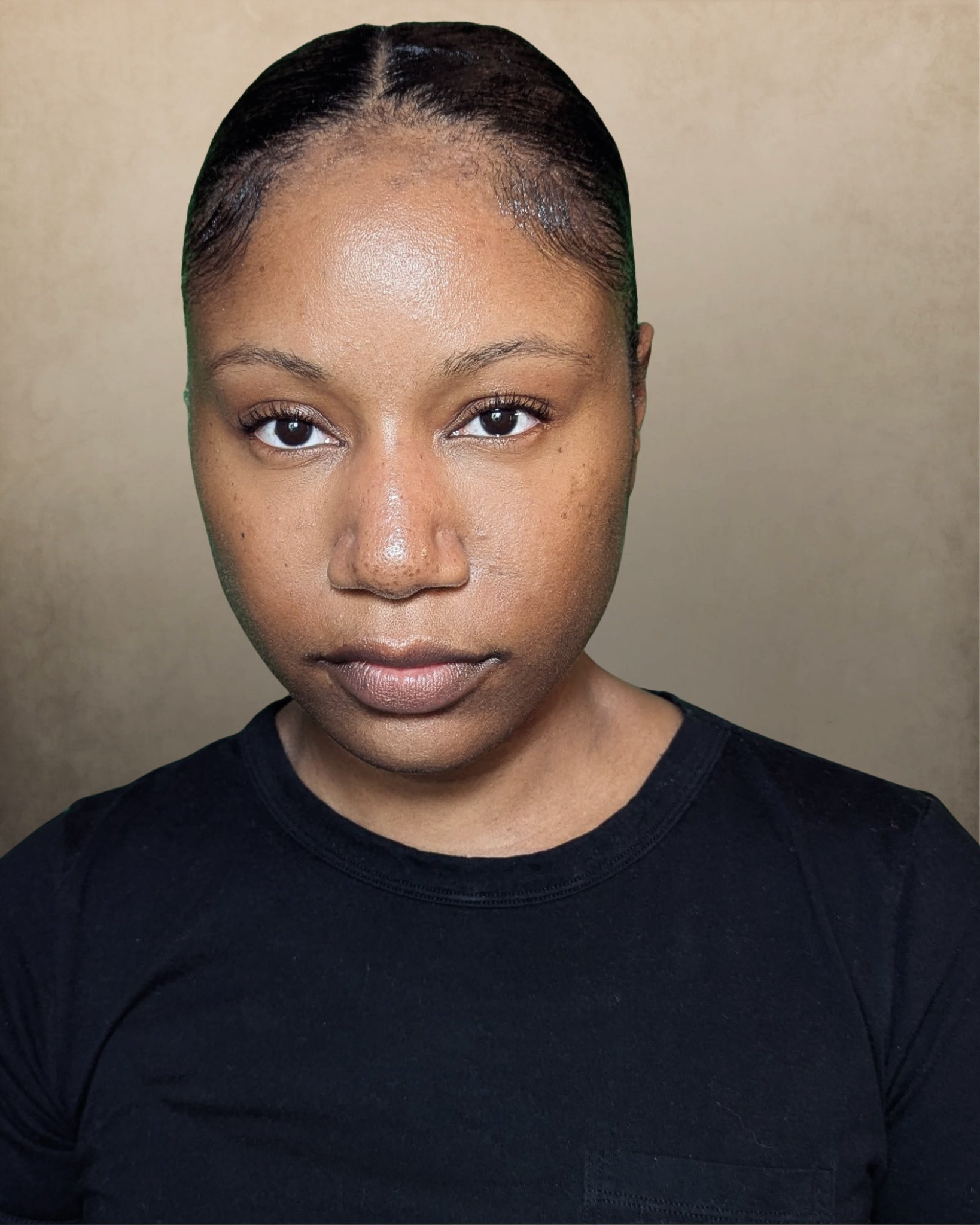

There was never going to be an easy way to return to Hillman. A Different World carries too much history for that. The original series didn't simply introduce audiences to a fictional HBCU; for generations of viewers, Hillman became a place they knew, a campus they wished they could visit and, for some, one of the first television shows that made attending an HBCU feel tangible.
That legacy was one of the first things on my mind when I sat down with cinematographer Shawn Peters to talk about Netflix’s new A Different World. This version of Hillman feels familiar without looking like a recreation of the original series, and Peters was intentional about finding the balance between honoring what came before and giving this generation something visually distinct.
Peters explained that the creative team thought about both School Daze and the original A Different World when establishing the new series’ visual language. They wanted some of the cinematic quality of Spike Lee’s film while preserving the faster rhythm of a half-hour television series, creating something that could feel expansive without forgetting that each episode still had to move.
That combination became one of the production’s biggest challenges. Peters comes from a more cinematic background and had previously worked primarily on hour-long television, so moving into a roughly 30-minute format forced him to rethink how long a shot could breathe and how quickly an image needed to communicate emotion.
Early cuts, he told me, could initially run 45 or even 50 minutes because scenes had been photographed with the pacing of a film. Once those episodes had to be brought down to their final running time, Peters realized every visual choice had to reach its emotional destination much faster.
“You have to get to the emotion quicker,”
Peters said, explaining that there simply isn't the same amount of space to linger in a half-hour series.
That meant the placement and movement of the camera couldn't be arbitrary. Peters talked about how shooting from above could create a feeling of judgment, while moving closer to an actor could force the audience to confront exactly what was happening behind that character’s eyes. In the scene between Jordan and Jalen, for example, he wanted their interaction to feel private, so the space became darker and more intimate while the camera moved close enough for viewers to catch the emotion unfolding between them.
Those decisions are part of the storytelling rather than something Peters adds simply to make the series look pretty. His job is to understand what viewers need to feel in a scene and then decide how the framing, lighting and camera movement can help get them there.
Making Hillman Feel Like a Real Place
One of the clearest differences between the original series and this new version comes from the way Hillman itself is photographed. Instead of relying on the flatter lighting traditionally associated with multicamera sitcoms, Peters wanted these spaces to feel as if viewers could walk straight into them, sit down beside the students and become part of the environment.
That required thinking about where light would naturally come from rather than simply making sure every corner of a set was equally bright. If sunlight would realistically enter a dorm through a window, Peters wanted the lighting to behave that way. At night, he considered how modern exterior LEDs create cooler tones than the warmer street lighting older television shows often reflected.
Even spaces built specifically for the production needed to feel lived-in. Dorm rooms, offices and other interiors weren't supposed to look like polished television sets, because Peters believes reality needs a little imperfection.
He described his style to me as wanting “the residue of real life” to remain on the camera. When an image becomes too perfect, he believes audiences stop feeling as though they are looking at an actual world and become more aware of the machinery behind it.
Peters also has a personal connection to the HBCU experience the series is trying to capture. He attended Morehouse College, and the production filmed throughout the Atlanta University Center, giving him the advantage of knowing what those campuses feel like beyond what could ever be researched from photographs.
He remembered dorm rooms, campus life and what it was like to be a young person moving through those spaces. That history helped him approach Hillman as something that needed to feel inhabited rather than merely designed.
Debbie Allen, who directed the pilot and serves as an executive producer, also made immersion a priority. Peters said Allen wanted audiences to feel as though they were inside the conversations rather than observing them from the outside, and that expectation influenced the way scenes were planned long before cameras started rolling.
Peters and the directors would frequently shot-list inside the actual locations instead of sitting in an office imagining how the actors might move. They would walk through where someone would enter, where another person might sit, what could be overheard and how the physical space itself could shape a conversation. Once that movement was established, Peters could determine where the camera belonged and how the scene should be lit.

Photographing Black Skin Is More Than a Technical Exercise
One of the parts of our conversation I was most interested in was the way Peters photographs a predominantly Black ensemble with a wide range of skin tones, facial features and complexions. Even in darker scenes, the actors remain visible without the image feeling unnaturally bright, and I wanted to know how much of that came from technical knowledge versus simply understanding what Black skin should look like in the world.
For Peters, the answer is both. A cinematographer can want to photograph someone beautifully and truthfully, but without the technical knowledge to make that happen, intention only goes so far. Lighting, exposure, lenses and camera settings still matter, but he said the instinct for what he wants the image to feel like began long before he ever became a cinematographer.
Peters spoke about being raised by a Black woman and spending his life seeing Black people under every possible kind of light. He remembers daylight, darkness, overcast skies and the warm household bulbs that filled rooms when he was growing up, and those observations became part of his visual vocabulary before he was even conscious of collecting them.
When Peters looks at a monitor today, he often knows instinctively when something feels right or wrong. The technical tools come afterward, allowing him to recreate the feeling his memory is already telling him should be there.
I described it back to him as instinct first and technicality to follow, and Peters agreed. That simple exchange actually says a lot about his approach because the camera isn't beginning with a chart or a formula; it begins with how people look in real life and then works backward toward the technique needed to reproduce it.
Peters also placed his work inside a much longer history of Black image-making. He discussed photographers and cinematographers including Baron Claiborne, Ernest Dickerson, Arthur Jafa, Malik Sayeed and Bradford Young, artists who challenged the ways darker skin had historically been photographed.
For decades, conventional exposure practices were built around lighter skin, and Peters talked about how Black performers could become an afterthought when sharing the frame with a white performer. If the image was exposed for the white actor and no additional care was taken, whatever happened to the Black actor’s complexion was simply accepted.
Black photographers and cinematographers pushed against that history by experimenting with contrast, highlights, color and shape. Peters sees himself as part of that tradition, but he also believes conversations around Black cinematography have to move beyond whether someone's skin looks beautiful.

Blackness Has to Exist Beyond the Aesthetic
This was where our conversation moved into something deeper. Peters believes there are cultural instincts behind Black visual storytelling that cannot be reduced to lighting setups or a specific color palette.
A person can study an aesthetic and reproduce pieces of it, but Peters sees cultural understanding as something different. He talked about ancestry, intuition, shared language, code-switching and the many things operating beneath what Black people openly say or show.
He used Moonlight as one example. Its visual beauty matters, but what makes the film feel culturally specific to Peters is also the unseen emotional world of a man who cannot fully express himself and spends much of the story hiding pieces of who he is.
That idea immediately connected to what Peters had already been saying about the camera needing empathy. Sometimes the most important thing happening inside a frame isn't the action everyone can see; it is the internal experience the camera is trying to help us feel.
Peters acknowledged that those instincts aren't always easy to explain through technical language. He simply knows that some of what appears in his work comes from a cultural and emotional place that existed before the equipment ever entered the conversation.
These Characters Aren't Copies of the Original Generation
Any continuation of A Different World is naturally going to invite comparisons to the characters who came before. There are recognizable archetypes and familiar pieces of Hillman history, but the new students never felt to me like carbon copies of Whitley, Dwayne, Freddie or anyone else from the original ensemble.
I asked Peters how he used the camera to help establish that individuality, and his answer came back to emotion rather than assigning each character some fixed visual rule. He isn't necessarily framing someone a certain way because of a single personality trait; he's responding to what that person is experiencing at that particular moment.
A vulnerable confession could call for softer light around someone's eyes, while an argument might introduce harder shadows or stronger contrast. If a character needs to feel powerless, Peters can make that person appear smaller inside the frame, while another moment might demand that viewers get closer and see every emotion passing across someone's face.
That approach keeps the photography connected to humanity instead of turning these students into visual types. Peters believes empathy is essential to cinematography because the actors in front of the lens aren't merely subjects to arrange and expose correctly.
“The person behind the camera has to have an innate empathy,” Peters told me. “You have to like people.”
That philosophy extended to the relationships Peters built with the cast. He described an atmosphere where the young actors and crew quickly became close, with cast members greeting him enthusiastically and treating the people behind the camera as part of the same family.
Because he genuinely cared about them, protecting their characters’ humanity didn't feel like an abstract filmmaking exercise. It became a natural extension of the relationship between the people making the show.
Representation Behind the Camera Mattered Too
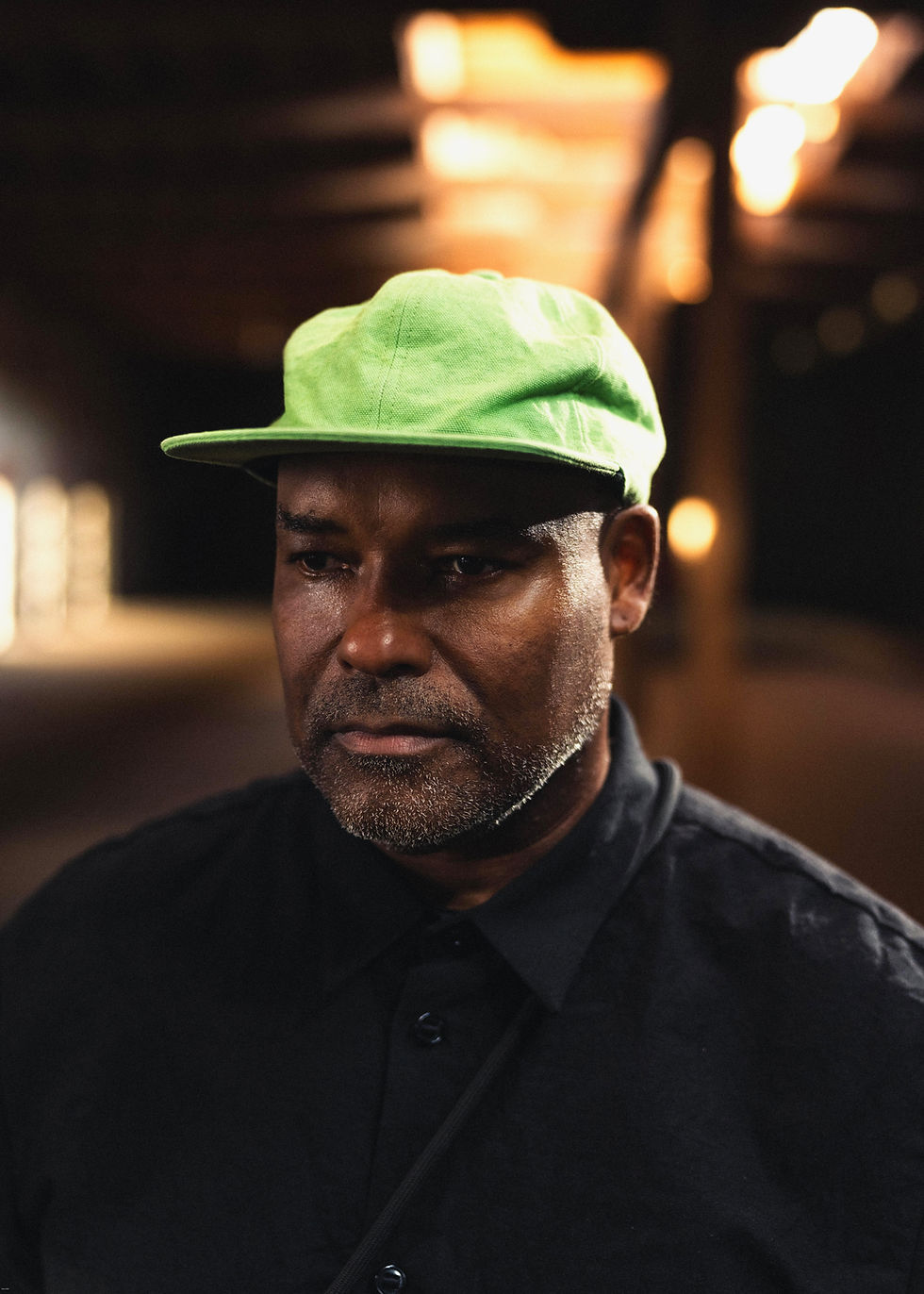
Peters' thoughts on representation don't stop with the actors audiences see on screen. He told me the crew was roughly 90 percent Black and also included significant representation from women and queer crew members, making the production itself reflective of the world the series was creating.
The goal wasn't to make a Black television series while relying on the same hiring patterns that have historically kept Black craftspeople away from major productions. Peters said the team went looking for talented Black crew members in Atlanta and tried to create opportunities for people who are not always given access to work at this level.
He sees that opportunity as part of his responsibility. Cinematographers and filmmakers can't gain the experience studios demand if nobody ever allows them onto the productions where that experience is earned, and Peters knows his own career was shaped by people from several different backgrounds giving him opportunities along the way.
Peters also made a point of acknowledging cinematographer Johnny Simmons, who photographed the blackout episode. Because Peters shot the pilot and established the original visual language of the series, any additional cinematographer had to work within that framework to maintain consistency, but Peters still described Simmons as an elder and mentor whose history deserves recognition.
That led into a broader discussion about how much television has changed behind the scenes. Generations of viewers grew up with Black sitcoms and films without necessarily realizing how rarely Black directors and cinematographers were the people making the visual decisions.
Peters believes that is finally changing. There are now more Black filmmakers capable of working at the highest levels of television, and the next step is making sure those filmmakers continue receiving the opportunities to show what they can do.
Shawn Peters Really Wants You to Change Your TV Settings
One of the most unexpected parts of my conversation with Peters had nothing to do with what happened on set. It had everything to do with what happens when the finished episode reaches your living room.
Peters wants viewers to check their television settings.
He explained that A Different World may not actually look the way he intended if someone is watching with a television's default picture mode. Peters recommends using a movie or cinema setting, which can better preserve the shadows, darker areas, color and contrast built into the photography.
The issue is something filmmakers have much less control over with television than they do with theatrical movies. In a theater, the room is dark, the projector is calibrated and the filmmakers have a reasonable idea of the conditions under which audiences will see their work.
Streaming can be watched almost anywhere. Someone could be using an expensive television, a phone with the brightness turned all the way up, an iPad outside in daylight or a screen with settings that dramatically alter the image.
Peters said viewers watching on an iPhone or iPad should experiment with keeping their brightness closer to the middle instead of automatically turning it up when a scene seems dark. Sometimes that darkness is supposed to be there, and raising the brightness can eliminate some of the shadows and contrast designed to tell the story.
At one point, I told Peters he had turned our interview into a master class on how to watch television, because I genuinely had never heard a cinematographer break down home viewing that way. He had me ready to go back and rewatch episodes just to see what I had missed.
His larger point wasn't that viewers suddenly need to become technical experts. It was that cinematography is a storytelling language, and the image you're watching contains information that can disappear when the screen dramatically changes what the filmmakers created.

Clothing, Color and the World Around the Actors
The naturalism Peters wanted also extended to costume and production design. The clothes in A Different World have texture and color that help define the students, and Peters worked with other departments to make sure those choices remained visible without fighting against the actors' skin tones or the environments around them.
He described conversations during pre-production about fabrics, wall colors and how different materials would respond to light. A highly reflective piece of clothing might need to be adjusted, while another fabric could work better because of the way it held texture under the lighting.
Peters wasn't choosing what each character wore because that storytelling responsibility belonged to the costume department. His role was to make sure those wardrobe choices, the production design and the cinematography could coexist inside the same frame.
That collaboration goes back to his belief that natural light has shape. In real life, a person standing outdoors doesn't have five suns hitting them from different directions, so Peters didn't want the actors to look as if they did either.
The shadows are supposed to exist. The texture is supposed to exist. The clothing, skin and spaces should all feel like they belong to the same physical world.
Hillman Had to Feel Like an HBCU, Not an Idea of One
My own college experience didn't take me through an HBCU, but it is a world I have always admired and one that exists throughout my family and community. Watching this series, Hillman felt tangible enough that I joked with Peters that I was ready to claim “HU” myself.
Peters laughed, but there is a reason the environment feels convincing. Beyond his personal history at Morehouse, much of the series was filmed within the Atlanta University Center, which meant the actors weren't simply pretending to occupy an HBCU environment built entirely on a soundstage.
His familiarity with the campuses allowed him to recognize small details that could easily be missed by someone coming from outside that culture. A dorm isn't simply a room with college decorations, and students don't move through an HBCU campus like characters walking through a generic television school.
That authenticity also influenced one of Peters' favorite episodes to photograph, Episode 5, which centers heavily on a bomb threat and keeps much of the action in one location. With so many conversations happening inside the same space, Peters and the directing team had to find visual ways to keep the episode tense and dynamic without simply repeating the same compositions.
They thought about who was surrounding whom, how frightened or angry students should feel inside the frame and how the camera could create pressure even when the location itself wasn't changing. Peters described the planning as laborious because the tension viewers feel had to be designed shot by shot.
His point was simple: that kind of energy doesn't happen by accident. Even when cinematography looks effortless, someone had to decide why the camera was there.
A New Generation Deserves Its Own Hillman
Throughout our conversation, Peters kept returning to the idea that the new A Different World has to be allowed to exist in the present. The original series carries enormous cultural importance, but trying to freeze Hillman exactly where audiences left it decades ago would defeat the purpose of returning.
The students walking through college campuses today aren't living the same lives as students from the late 1980s and early 1990s. Their relationships, identities, language and understanding of themselves have evolved, and Peters believes the new Hillman has to honestly reflect that reality.
He was particularly direct about criticism surrounding queer and bisexual representation in the series. For Peters, those characters aren't political abstractions being inserted into Hillman; they are people who already exist on HBCU campuses and in Black communities, and pretending otherwise would make the new series less authentic rather than more.
That same frustration extends to criticism of the returning cast simply for having aged. Peters specifically discussed some of the commentary aimed at Jasmine Guy, pointing out the obvious reality that decades have passed since audiences first met these performers.
The original cast was never supposed to remain permanently frozen at the age viewers remember them. Hillman changed, those characters changed and the people playing them changed too.
For Peters, the larger challenge is giving this generation enough space to become its own version of A Different World without forcing every creative decision through nostalgia first. The new students deserve the opportunity to make mistakes, discover themselves and create memories that may eventually mean as much to younger viewers as the original characters meant to those who came before them.
Peters repeatedly returned to the enormous range of Black experiences he wants television to make room for. Black life cannot be reduced to one personality, one class background, one sexuality or one correct way to move through the world.
At one point, he summed up that spectrum as stretching “from Yale to jail,” a blunt but effective reminder that no single character or image could ever represent the entirety of Black life.
That may ultimately be what connects this version of A Different World most closely to the original. Hillman was never compelling because everyone there had life figured out; it mattered because Black young people were allowed to be ambitious, confused, funny, selfish, brilliant, flawed and fully human.
Peters is helping the new generation tell that story through the camera, one shadow, frame and carefully chosen lens at a time.
A Different World is now streaming on Netflix and has been renewed for season 2.
Check out our full conversation below.


Comments